Reflections
Here is a place where we share what we cover in our Circle Talks, community gatherings, and workshops.
After each one, we write up the highlights so you can read and reflect on them here, whether or not you were able to join us live.
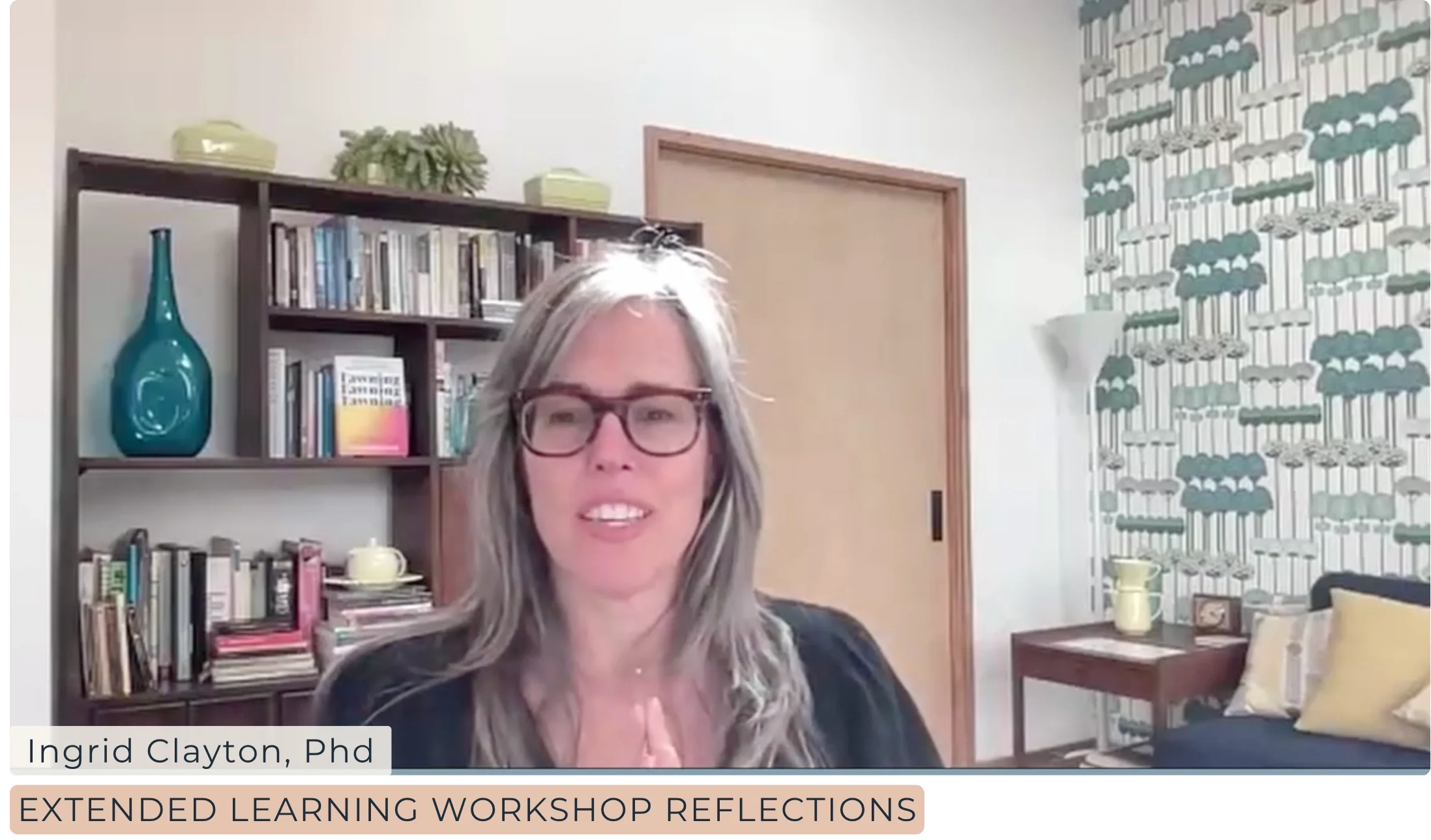
Fawning is not a flaw. It’s a learned language.
Fawning is not a personal flaw. It is a relational trauma response, a language learned when safety depended on pleasing, performing, or staying agreeable. Drawing from Ingrid Clayton’s workshop, this reflection explores how shame begins to loosen and unfawning starts with noticing.
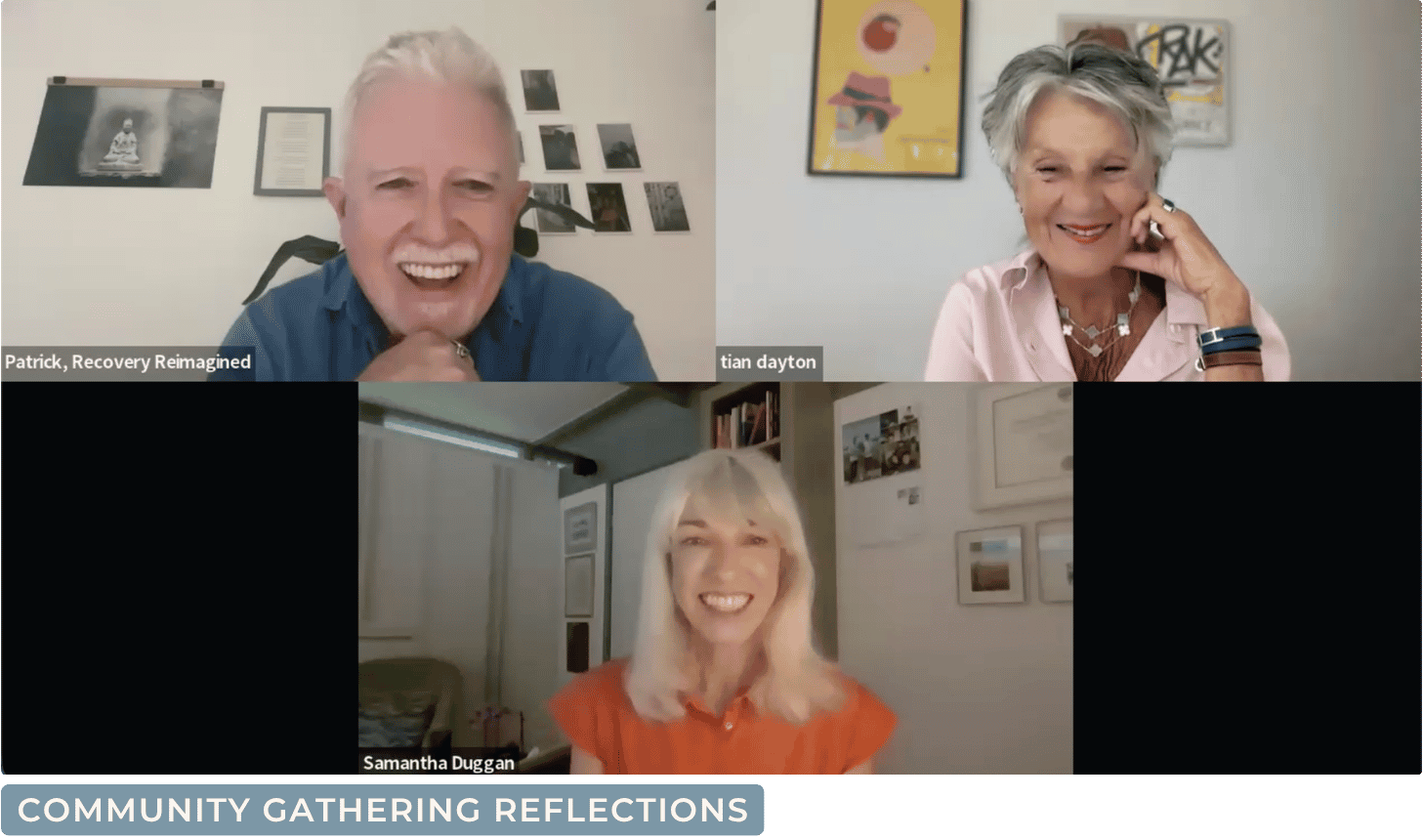
The Three-Way Mirror: Repairing Family Relationships in Recovery
Many of us carry something unfinished with our families, a regret, a hope for an apology that never came, a relationship we're not sure how to touch without making it worse. Samantha Duggan and Tian Dayton sat with us in June to talk about reparenting. Here's what stayed with us.