From Our Presenters
Hear from the people who have shared their knowledge and experiences with our community.
Make it stand out.
It all begins with an idea. Maybe you want to launch a business. Maybe you want to turn a hobby into something more. Or maybe you have a creative project to share with the world. Whatever it is, the way you tell your story online can make all the difference.
In Their Own Words
Written messages from presenters who have shared their work with Recovery Reimagined.
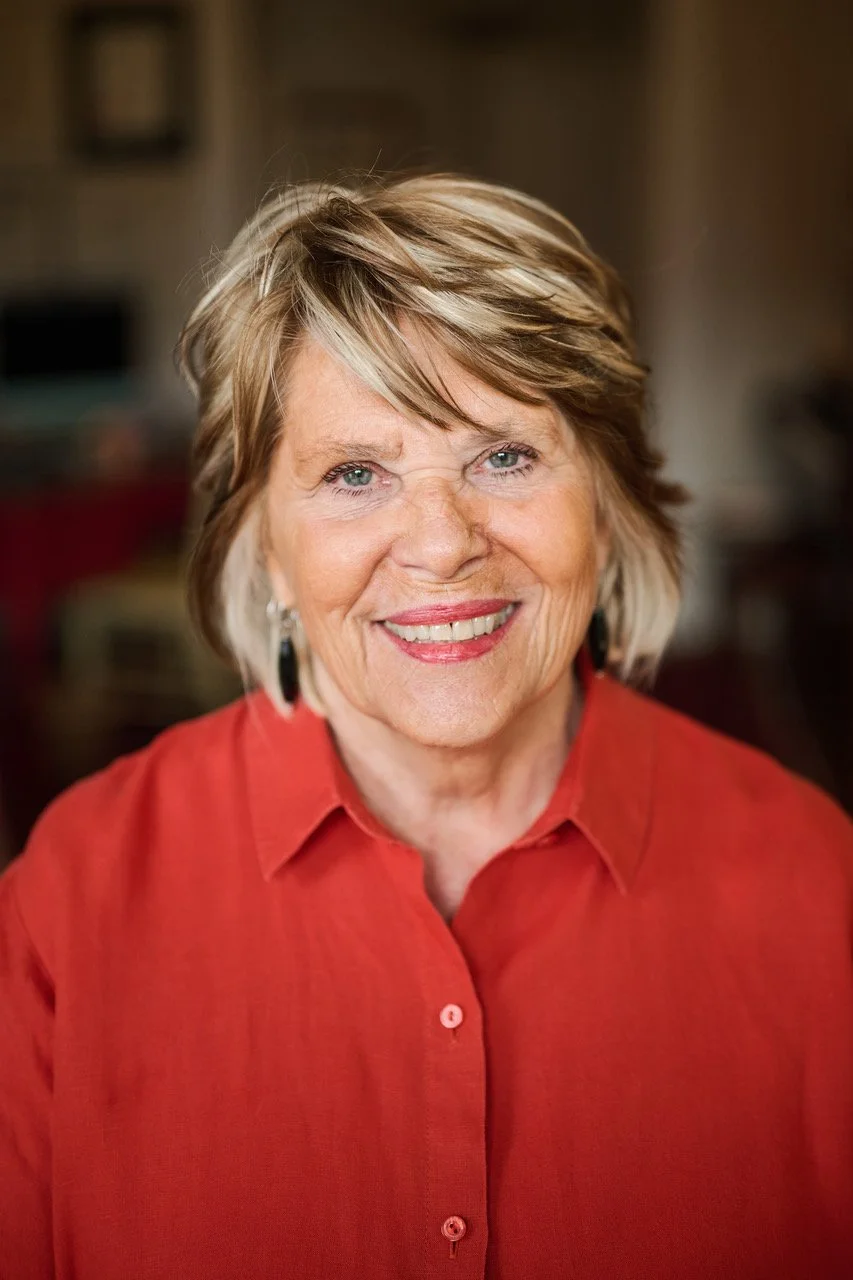
Jan Winhall
M.S.W., F.O.T., Author
I’m delighted to support Recovery Reimagined and the community that Patrick and Mateja are creating. What I value most is their open-hearted attitude toward healing and their willingness to welcome many different pathways to recovery. They understand that there is no single way to heal, and that each person’s journey is unique.
Read moreRead less
Their vision of recovery goes beyond simply stopping an addictive behavior. It is about discovering connection, meaning, belonging, and a more embodied way of living. This resonates deeply with my own work.
Patrick and Mateja are beacons, lighting the way toward innovative approaches and offerings that make healing more accessible to all. I’m grateful to be part of this movement and to witness the ways they are reimagining what recovery can be.
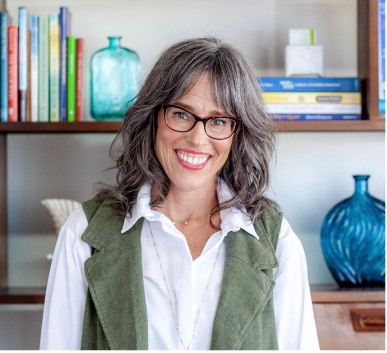
Ingrid Clayton, PhD
Clinical Psychologist, Trauma Therapist, Author
As both a clinical psychologist specializing in complex trauma and someone who has been in recovery for more than three decades, I’m deeply grateful for the work of Recovery Reimagined. It has become a gathering place for true thought leaders who are helping bridge the gaps between traditional recovery models and what we now understand about trauma, neuroscience, and compassionate, non-pathologizing approaches to healing.
Read moreRead less
It has been an honor to participate in the conference and to be part of a community of people so committed to sharing their expansive knowledge with others. I can feel the ripple effects of this work, and I hope they continue until we no longer have to “reimagine” recovery—because the new paradigm has become the norm: inclusive, holistic, trauma-informed, and non-shaming, while retaining the wisdom and practices that have helped people heal for generations.
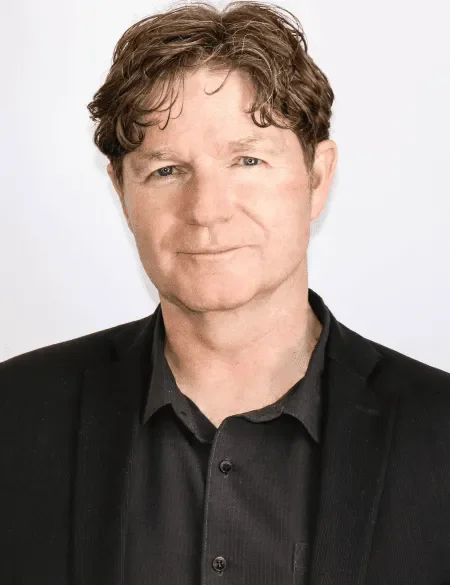
John F. Kelly, PhD, ABPP
Elizabeth R. Spallin Professor of Psychiatry, Harvard Medical School; Founder and Director, MGH Recovery Research Institute
Recovery is not a one-size-fits-all process, and people benefit when they have access to multiple pathways and sources of support. I particularly appreciate Recovery Reimagined’s openness to the many ways people find and sustain recovery while remaining grounded in the rich tradition of 12-step recovery.
Read moreRead less
Twelve-step approaches offer far more than a pathway away from alcohol and other drugs; at their best, they provide a holistic framework for connection, meaning, service, personal growth, and building a fulfilling life in recovery. Recovery Reimagined has an important place in the recovery landscape by honoring that tradition while creating an inclusive community in which people can find the pathway that works best for them.
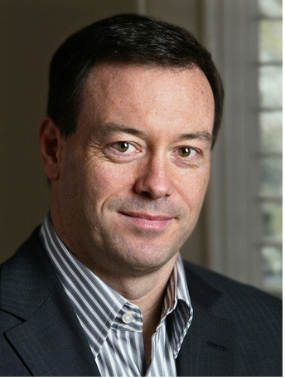
Kevin McCauley, MD, MPH
Physician and Addiction Educator
I am pleased to offer my enthusiastic endorsement of Patrick McAteer and Joseph Saavedra and the important work they are doing through Recovery Reimagined in fostering a compassionate and inclusive community in which individuals and families affected by addiction and trauma can find connection, education, and meaningful support.
Read moreRead less
Particularly valuable is their recognition that recovery extends beyond abstinence alone to include healing the emotional and relational wounds that so often affect both individuals and their families.
By creating accessible spaces where people can learn from clinicians, researchers, recovery advocates, and one another, Patrick, Joseph, and their colleagues are making a meaningful contribution to a broader, more humane, and more hopeful understanding of recovery.
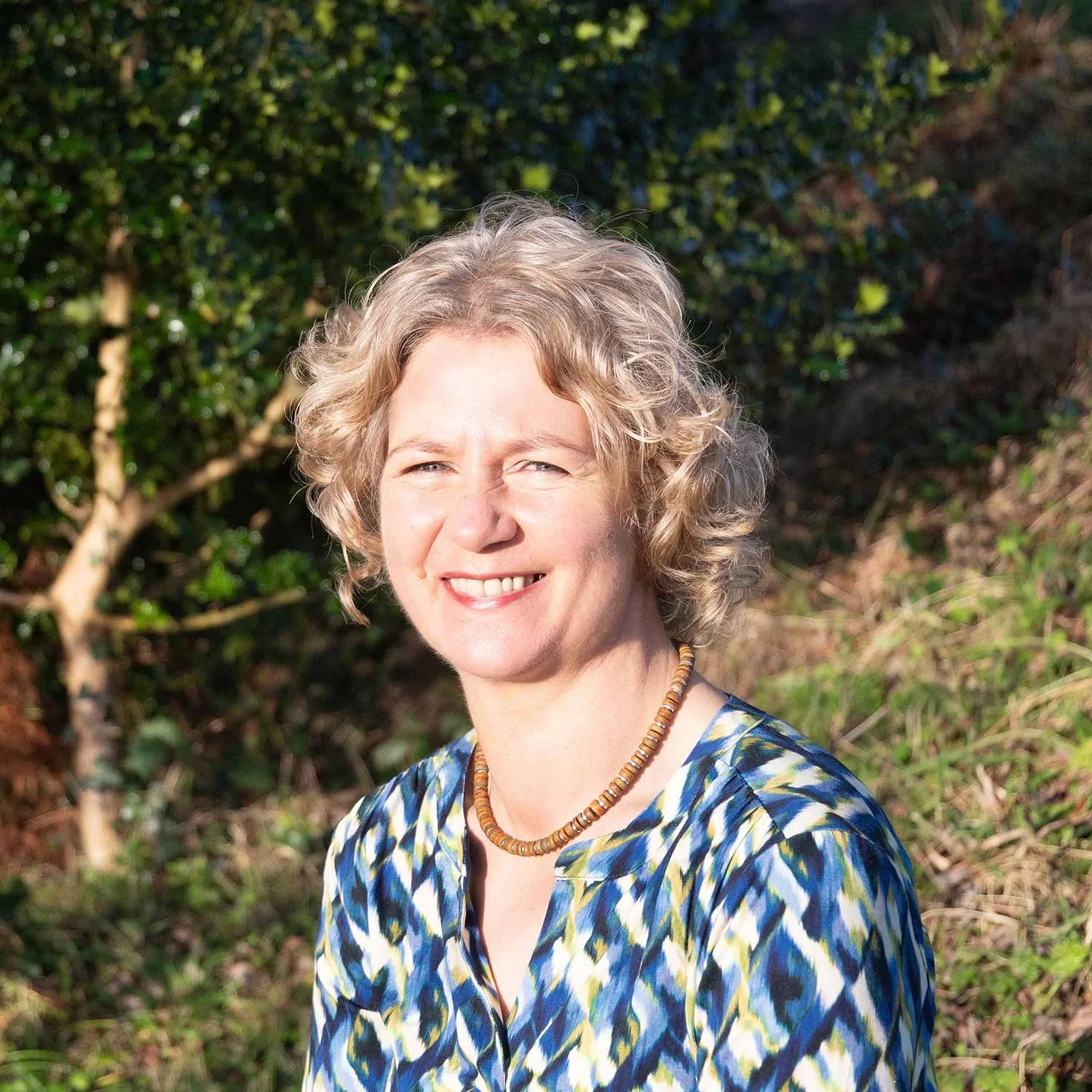
Marie Tierney, MSc, MA
Therapist, Consultant, Trainer
Recovery Reimagined is a wonderful community for people overcoming addiction. It recognises that recovery is not one-size-fits-all, and that everyone deserves to feel seen, supported, and empowered along the way.
Read moreRead less
Over the past couple of years, I've been fortunate to be part of this community as a workshop facilitator with lived experience of recovery, and I've seen how the organisation brings fresh perspectives, compassion, and new possibilities into the wider recovery landscape. Recovery Reimagined has an important place in helping people see that recovery really is possible, and that life beyond survival can be full of purpose.
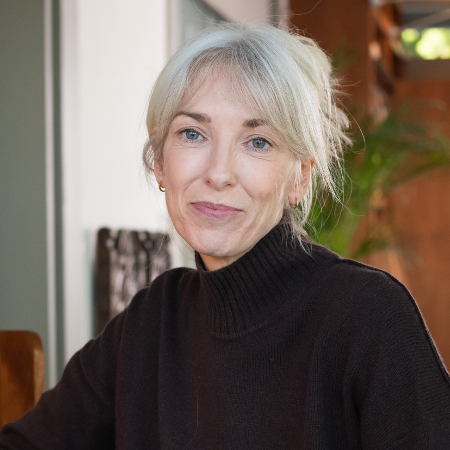
Samantha Duggan, PhD
Behavioural Psychologist, Author
I believe there is so much more on offer in recovery than simply stopping drinking or using your drug of choice. A really fulfilling, wholehearted life is possible in recovery, but we have to be willing to do the work. Recovery Reimagined creates a space where people can discover that there is more to recovery than they may encounter in a single fellowship room.
Read moreRead less
I want to be very clear that I don't dis the rooms of 12-step recovery. I have 18 years of continuous sobriety, and 12-step recovery has been the gift that keeps on giving for me. But not everybody figures everything out through a single fellowship room, even though much of what they need may actually be there in the source material. What people encounter is mediated through other people, particularly their sponsor, and the type of sponsor you happen to get can matter enormously.
I was unusually fortunate. I came into recovery with a psychology degree and a lot of what you might call social and emotional capital, and my first sponsor was herself a therapist. Very early on she signposted me towards other fellowships and ideas such as codependency and emotional sobriety, and encouraged me to seek other forms of help when I needed them. I later found CODA as well. So I was able to discover quite a broad recovery landscape for myself.
A lot of people don't have that experience. Signposting to the things that might be helpful can be a hit-and-miss affair in recovery. You might have a sponsor who introduces you to another fellowship, recommends trauma work, EMDR or another therapeutic modality, or you might not. And if your entry into recovery comes from somewhere other than 12-step recovery, you may encounter an entirely different part of the landscape.
Recovery Reimagined seems to me to fill that gap.
What I particularly value is that it is a genuinely broad church. You get serious academics, recovery pioneers, clinicians, spiritual teachers and people with lived experience, and they bring very different perspectives into the same conversation. It feels much more like a menu of recovery than a prescription.
That is something I encountered in my work with the APPG for 12-Step Recovery. People working in the field increasingly recognise the value of offering multiple pathways and allowing people to find what works for them. Recovery Reimagined embodies that principle particularly well. They are themselves rooted in 12-step recovery, but they don't seem to need everyone else to recover in exactly the way they have recovered.
There is something very 12-step about that, actually: this is what helped me; take what you need and leave the rest. You can listen to something and think, “Yes, that's for me,” or “No, that's not for me,” and either response is completely fine.
I think that breadth also means Recovery Reimagined can meet people at very different points in their journey. It can kickstart new recovery, reinvigorate older recovery, or help somebody who is simply trudging through the middle bit. Their extensive online back catalogue means that someone can browse and find what they need at a particular moment. And there are now so many stories of hope that people can encounter that sense of possibility: if these people have done it, perhaps I can do it too.
Patrick and Matea also seem to me to embody the philosophy of Recovery Reimagined themselves. Patrick is extraordinarily open-minded. He has this incredible memory for people, names and ideas, and he is a real doer, someone who has an idea and then goes and makes something happen. Matea brings a gentleness and conscientiousness that I really value. Both are incredibly warm and considered.
What I find particularly convincing is that they live what they say. They genuinely seem to believe that there isn't a one-size-fits-all way of doing recovery, and that openness is evident in the way they treat people.
I've seen this particularly clearly when people have become distressed or triggered around something at one of their events. When you're working with vulnerable populations, somebody can have a very strong reaction to something that another person might experience as relatively small. Patrick and Matea have shown me that they can offer enormous care and patience to the person who is hurting without throwing the person who has been blamed under the bus. I've witnessed them do that with other facilitators, and I've experienced it myself. That takes a particular kind of integrity.
I also think they take the quality of what they offer seriously. They have sought out people who really know what they are talking about in the area of emotional sobriety and recovery. They have brought together serious academics and recovery figures, as well as people with substantial experience of helping people with addiction. At the Dublin conference, I was struck by how much care they took over the people they were trying to help, both during the event and afterwards.
And I think the evolution of Recovery Reimagined is interesting in itself. It began in 2020 as a response to lockdown, when Patrick's Berlin meeting could no longer happen in person and he took it online. It has just kept growing from there. Now it is becoming a much more substantial organisation, with in-person events and the infrastructure of a nonprofit behind it. Patrick brings enormous experience of building things and running events, and between the two of them there is a remarkable combination of qualities and capacities.
Ultimately, I think what Recovery Reimagined makes possible is finding and living that “life beyond our wildest dreams” that we talk about in recovery. Or, borrowing Earl Hightower's phrase, becoming comfortable, clean and sober. There are people who have been sober for years who are still very scratchy and uncomfortable inside. Sometimes broadening the way we understand recovery can make life much more comfortable and wholehearted.
For me, that is not about moving away from 12-step recovery. It is about allowing the riches of recovery to become more accessible. I don't like the tendency for people who discover something new to become anti-whatever they used to believe. I don't want to become anti-AA in order to embrace other approaches. I think we can love and respect what brought us here while recognising that it may not explain everything, and that there may be more for us to discover.
And even with my own background in psychology, my academic training and 18 years of continuous recovery, I still find myself tuning into Recovery Reimagined, signing up for workshops and listening to people they bring together because they continue to introduce me to things I don't know. They really do bring fantastic people together.
So I believe in what Patrick and Matea are building because it feels like something healthy that is growing. It feels as though this is what they were born to do, a coming together of their unique talents, their experience and the unique people they are, to create something that is hugely valuable and genuinely needed.
It has already helped so many people. Here's to it helping many more.
Samantha Duggan
Explore Recovery Reimagined
Discover our upcoming gatherings and workshops.